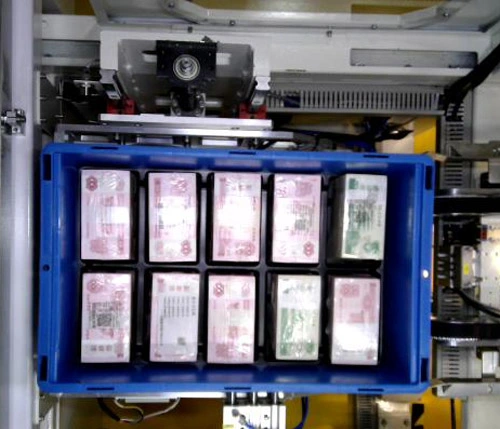
The four axis SCARA robot is widely used in industries requiring high precision and speed, such as electronics assembly, packaging, and material handling. With its unique configuration, it is known for its efficiency in handling repetitive tasks. However, to ensure optimal performance and longevity, there are several important factors to consider when integrating and operating a four axis SCARA robot. This article outlines key considerations for its successful deployment.
Understanding the Design of the Four Axis SCARA Robot
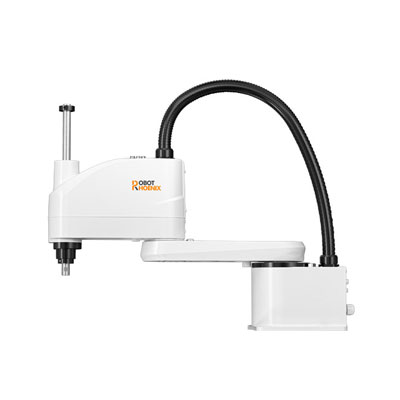
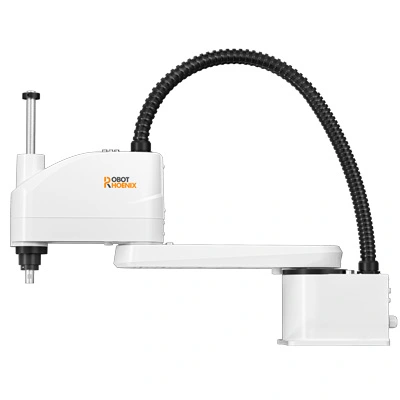
A four axis SCARA robot features a unique design consisting of a vertical axis (Z-axis) and three horizontal axes (X, Y, and the rotating arm). The arm's movement is highly precise, allowing it to handle delicate assembly tasks with great accuracy.
The four axes are typically arranged in the following configuration:
X and Y axes: Linear motion in the horizontal plane, enabling movement in two dimensions.
Z axis: Vertical movement, which allows the robot to lift or lower its end effector.
Rotational Axis: This axis allows the robot arm to rotate around its base, providing further flexibility in its operation.
The combination of these axes provides a high level of precision and speed, making it ideal for tasks such as assembly, pick-and-place operations, and inspection.
Proper Installation and Calibration of the Four Axis SCARA Robot
When installing a collaborative SCARA robot, careful attention must be given to the setup process. Incorrect installation can lead to performance issues or mechanical failures.
| Installation Aspect | Consideration |
|---|
| Robot Placement | Ensure the robot is placed on a stable surface to avoid misalignment. |
| Calibration | Proper calibration is crucial for ensuring the robot operates with accuracy and precision. |
| Power Supply | Verify that the power supply is sufficient and stable to avoid interruptions. |
| Workspace Layout | Ensure there’s adequate space for the robot's movement without obstruction. |
It's essential that the four axis SCARA robot is placed correctly and that all components are calibrated according to the manufacturer's guidelines. This ensures that the robot can execute its tasks with high efficiency and minimal errors.
Maintenance and Regular Inspections
Routine maintenance is essential for keeping a four axis SCARA robot running smoothly. Without regular check-ups, wear and tear can affect its performance, causing downtime and costly repairs.
Lubrication: Ensure that the robot's joints and axes are properly lubricated to avoid friction and prevent mechanical wear.
Software Updates: Regularly update the robot's software to keep it compatible with other systems and to benefit from performance enhancements.
Inspection of Motors: The motors that control movement should be periodically checked for calibration and signs of wear.
A well-maintained four axis SCARA robot can operate continuously without significant performance degradation, minimizing the chances of unexpected failures.

Safety Protocols for Operating the Four Axis SCARA Robot
Safety is paramount when working with industrial robots. While a four axis SCARA robot is designed for high precision, it still involves moving parts that could pose safety risks if not managed properly.
Safety Guards and Barriers: Install safety barriers around the robot’s workspace to protect human operators from accidental contact with moving parts.
Emergency Stop Features: Ensure that emergency stop mechanisms are functional and easily accessible during robot operation.
Operator Training: All personnel operating the robot must be trained in safe handling and operation procedures to reduce the risk of accidents.
By adhering to strict safety protocols, the risk of injury and damage can be minimized, ensuring both human and equipment safety.
In conclusion, integrating a four axis SCARA robot into your manufacturing or assembly process can significantly improve efficiency and precision. However, it is essential to consider the proper installation, regular maintenance, and adherence to safety standards to maximize its performance and lifespan. By following these guidelines, manufacturers can fully leverage the capabilities of a four axis SCARA robot while minimizing potential risks and disruptions. As a professional robot manufacturing company, Robotphoenix delivers bespoke SCARA robot solutions that improve operational efficiency, accuracy, and long-term reliability. Moreover, Robotphoenix serves as a trusted robot OEM partner, supplying innovative and trustworthy automation technologies.

 EN
EN  ja
ja  ko
ko  fr
fr  de
de  es
es  ru
ru  pt
pt  ar
ar  vi
vi  ur
ur  Learn More